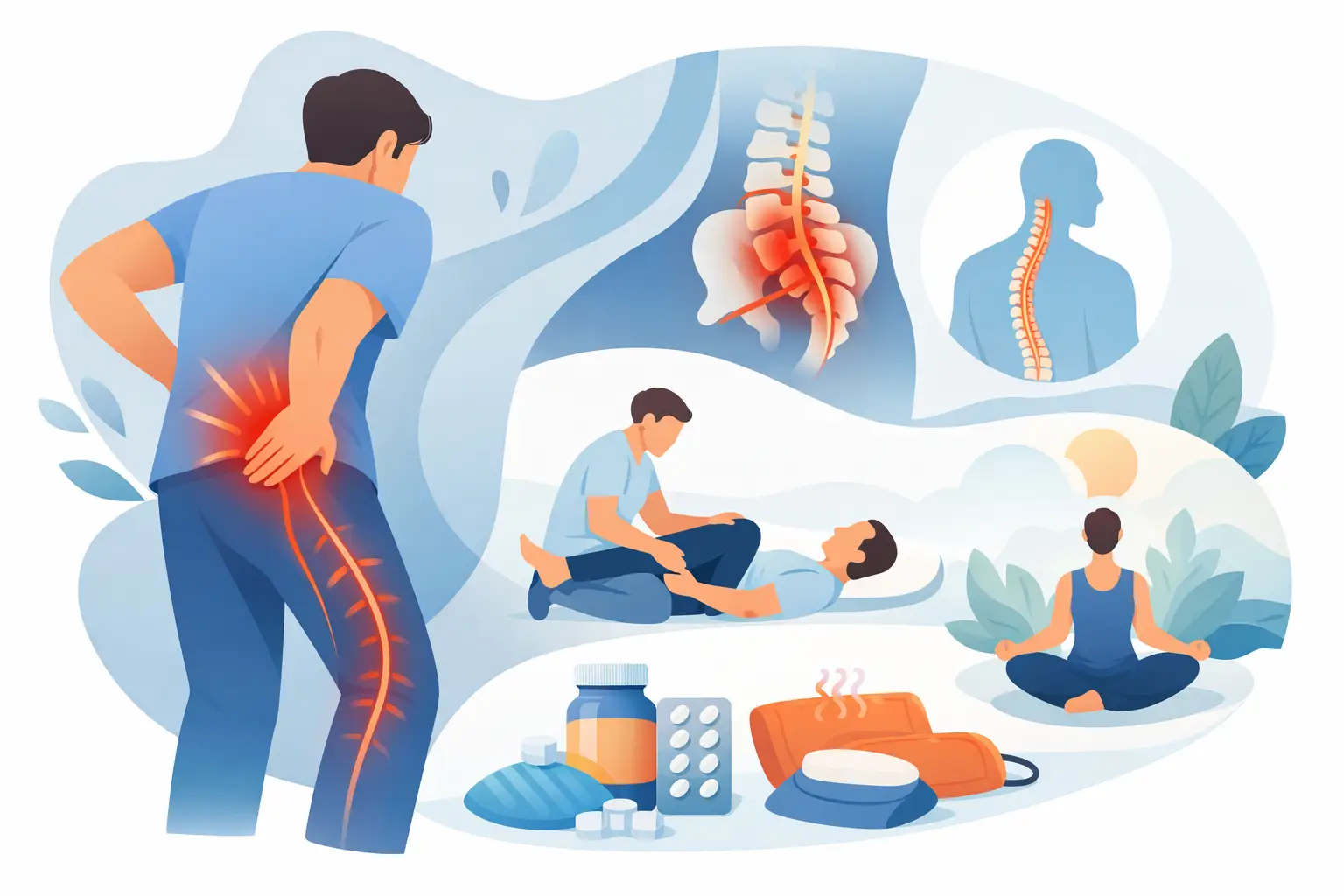
Sciatica can turn ordinary movement into a problem fast. Sitting through work, getting out of the car, or trying to sleep can all become painful when that sharp, burning, or shooting pain starts running from the low back into the hip and leg. If you are searching for how to relieve sciatica pain, the first thing to know is that relief usually starts with the right diagnosis. Not every case needs the same fix, and pushing through it the wrong way can make symptoms last longer.
Sciatica is not a condition by itself. It is a symptom that usually happens when the sciatic nerve is irritated or compressed. That can come from a herniated disc, spinal stenosis, arthritis, muscle tightness, or inflammation around the nerve. Some cases improve with conservative care. Others need a more targeted treatment plan, especially when pain keeps returning or starts limiting daily life.
How to relieve sciatica pain at home
For many people, the first few days are the hardest. The instinct is often to stay in bed and avoid movement, but too much rest can backfire. Gentle activity usually helps more than complete inactivity because it keeps the joints moving and prevents the surrounding muscles from tightening up even more.
Short walks are often a good place to start. They promote circulation, reduce stiffness, and can keep pain from building during long periods of sitting. The key is to keep it easy. If walking increases the leg pain significantly, scale back and try shorter intervals.
Heat and ice can both help, but they do different jobs. Ice tends to work better early on when inflammation is more active. Heat can help later when muscle spasm and stiffness are driving part of the discomfort. Some patients do well alternating the two. There is no universal rule here – the better option is the one that calms your symptoms instead of aggravating them.
Over-the-counter anti-inflammatory medication may also reduce pain for some people, assuming it is safe for them to take. That depends on your medical history, including stomach, kidney, or heart issues, so this is one area where personal guidance matters.
Gentle stretching can be useful, but aggressive stretching is a common mistake. If a stretch sends pain farther down the leg, it is probably not helping. Sciatica responds best to controlled movement, not forcing flexibility.
What usually makes sciatica worse
A lot of patients accidentally irritate the nerve while trying to feel better. Long periods of sitting are one of the biggest triggers, especially in soft chairs or car seats that round the lower back. Repeated bending, twisting, or lifting can also intensify symptoms, particularly if the underlying issue is a disc problem.
High-impact exercise may need to pause for a while. Running, jumping, or heavy strength training can sometimes keep the area inflamed. That does not mean all exercise is off limits. It means the type, timing, and intensity matter.
Posture also plays a bigger role than many people expect. Slumping through the low back can increase pressure on irritated tissues. Small changes in how you sit, stand, and move throughout the day can make a real difference, especially when pain is still active.
When sciatica needs more than home care
Some sciatica improves in a few weeks. Some does not. If pain is severe, keeps coming back, or starts interfering with work, sleep, driving, or exercise, it is time to look beyond home remedies.
This is where a proper evaluation matters. Pain that travels into the leg can come from several sources, and treatment only works well when it targets the actual cause. A muscle problem needs a different approach than a pinched nerve from a disc. Treating both the same way often leads to frustration.
A medical exam may include a review of symptoms, movement testing, nerve function checks, and sometimes imaging if the pattern suggests a structural issue. The goal is not just to name the problem. The goal is to identify what is keeping the nerve irritated and what is most likely to calm it down.
Medical treatment options for lasting relief
If you want to know how to relieve sciatica pain when self-care is not enough, treatment usually starts with the least invasive options that match your symptoms and exam findings.
Physical therapy is often part of the plan. Done correctly, it can improve mobility, strengthen support around the spine, and reduce pressure on the nerve. The right program should be specific to your pain pattern. Generic exercises from the internet are not always a good fit, and sometimes they make symptoms flare.
Medication may also help in the short term, depending on the severity and nature of the pain. Anti-inflammatory medication, muscle relaxers, or other prescriptions may be considered when appropriate. These can ease symptoms, but they are usually one piece of the plan rather than the whole answer.
For patients with more persistent or intense pain, image-guided injections can be a useful next step. These treatments are designed to reduce inflammation around the irritated nerve and may provide enough relief to restore movement, improve sleep, and make rehab more effective. They are not right for everyone, but in the right patient, they can be a very practical option.
A personalized pain management plan can be especially helpful when symptoms are ongoing or more complex. At Local Healthcare, that means looking at function, activity level, pain triggers, and treatment goals instead of offering a one-size-fits-all solution. Patients in Tucson and nearby communities often come in after trying to manage the pain on their own for too long. The sooner the cause is identified, the sooner treatment can become more efficient.
Warning signs you should not ignore
Most cases of sciatica are painful but not dangerous. Still, there are situations where you should get prompt medical attention.
If you develop new weakness in the leg or foot, numbness that is worsening, trouble walking, or pain that becomes suddenly severe, do not wait it out. Changes in bowel or bladder control are even more urgent and need immediate evaluation.
Pain that wakes you up constantly, fails to improve at all, or follows a fall or injury also deserves a closer look. These signs do not always mean something serious is happening, but they do mean the situation should be assessed by a medical professional.
How to prevent sciatica from coming back
Once the pain eases, prevention becomes the next priority. Recurring sciatica is common when the underlying mechanics never improve. This is why short-term relief and long-term stability both matter.
Core strength helps, but this does not mean intense ab workouts. It means building better support through the trunk, hips, and lower back so daily movement puts less strain on the spine. Flexibility matters too, especially in the hamstrings and hips, but again, it needs to be done with control.
Workstation setup can also affect recurrence. If you sit for long stretches, your chair height, lumbar support, and screen position all influence posture and pressure through the lower back. Even with a good setup, regular movement breaks are important. Getting up every 30 to 60 minutes can help more than many people realize.
Lifting technique is another factor. Repeatedly bending from the waist, especially while twisting, can re-irritate vulnerable tissues. Using the hips and knees more effectively can reduce stress on the low back over time.
Sleep position may help as well. Some patients feel better lying on their side with a pillow between the knees. Others do better on their back with support under the knees. The right position is the one that keeps symptoms calmer through the night and makes getting up easier in the morning.
The best next step if your pain is not improving
Sciatica pain has a way of shrinking your routine. People stop walking the dog, skip workouts, avoid errands, and start planning their day around discomfort. That is usually the point where it makes sense to stop guessing.
If symptoms are mild and improving, home care may be enough. If they are lingering, escalating, or coming back repeatedly, a targeted evaluation can save time and help you avoid treatments that do not match the problem. Relief is possible, but it works best when the plan fits the cause.
You do not need to accept leg pain, numbness, or back-related nerve pain as your new normal. The right treatment can help you move better, sleep better, and get back to the parts of life that pain has pushed aside.