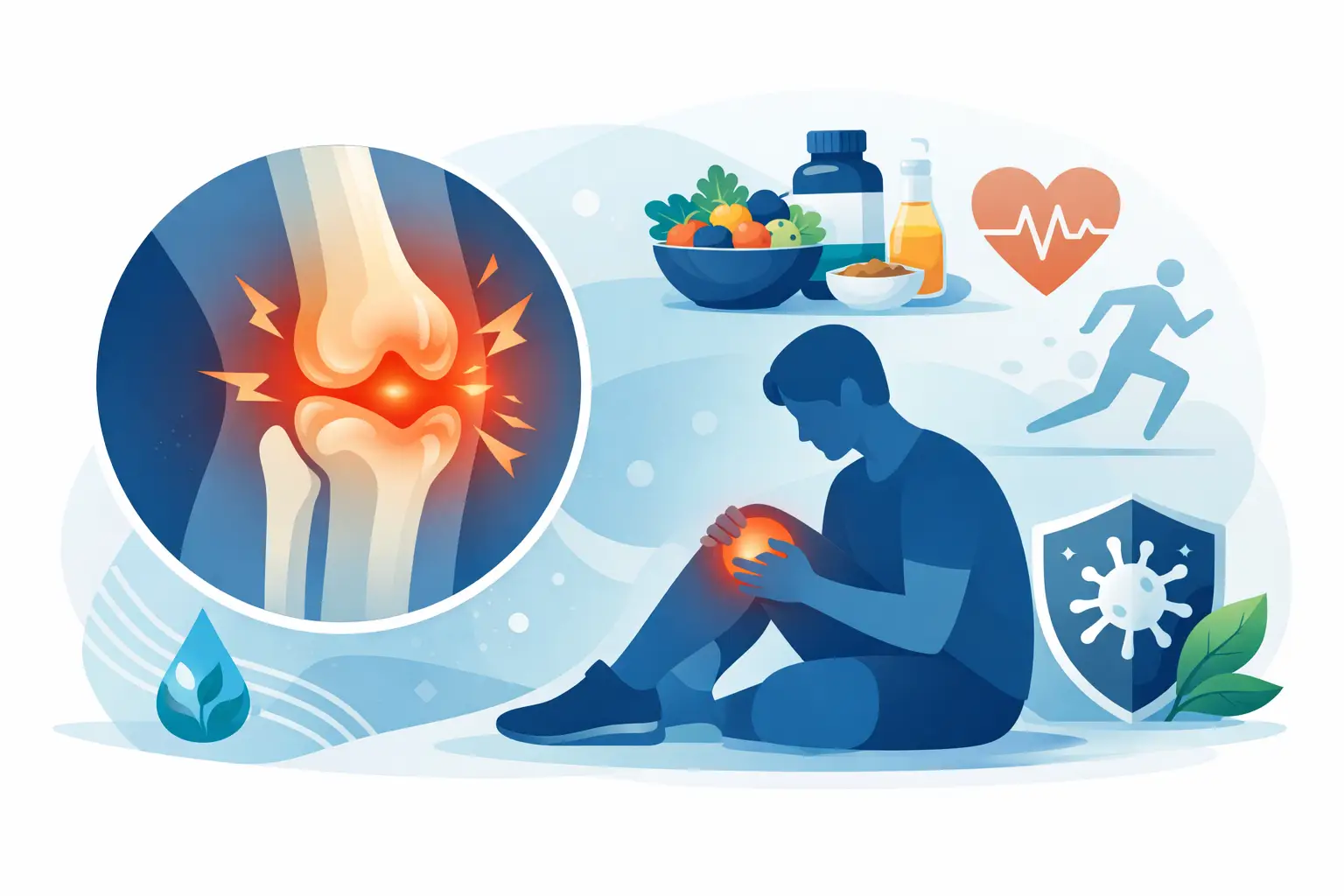
If your knees feel stiff when you stand up, your hands ache by the end of the day, or one joint stays swollen longer than it should, you are probably asking the right question: how to reduce joint inflammation without wasting time on things that do not work. Joint inflammation can come from arthritis, overuse, injury, autoimmune conditions, or a flare-up of an older problem. The right plan depends on the cause, but the goal is the same – calm irritation, protect the joint, and get you moving with less pain.
For many adults, inflammation is not just a medical term. It is what turns walking, sleeping, exercising, or getting through a workday into a challenge. That is why it helps to focus on what makes inflammation worse, what actually improves it, and when home care stops being enough.
What joint inflammation actually means
Inflammation is your body’s response to stress or injury. In a joint, that can show up as swelling, warmth, stiffness, tenderness, and pain with movement. Sometimes it is obvious, like a visibly swollen knee. Sometimes it is more subtle, like hands that feel tight in the morning or a shoulder that becomes more painful after repetitive use.
Not all joint pain is driven by inflammation alone. Some pain comes more from wear and tear, tendon strain, nerve irritation, or mechanical problems inside the joint. That distinction matters because if you treat every joint problem the same way, results are usually limited. Reducing inflammation helps, but identifying the source of the inflammation is what makes treatment more effective.
How to reduce joint inflammation at home
The first step is to lower stress on the joint without shutting your whole life down. Complete rest for too long often backfires. Joints need movement to stay lubricated and muscles need activity to keep supporting the area. What works better is relative rest – cutting back on the motions that trigger flares while staying gently active.
Ice can help when a joint is newly irritated, swollen, or warm. Use it for short sessions, especially after activity. Heat tends to help more with stiffness than swelling, so a warm shower or heating pad may feel better before movement, while ice may be better afterward. People often use the wrong one at the wrong time and wonder why relief is inconsistent.
Over-the-counter anti-inflammatory medications may also help, but they are not right for everyone. If you have kidney disease, stomach ulcers, heart issues, take blood thinners, or have been told to avoid NSAIDs, you should not assume these medications are safe. Topical anti-inflammatory gels can be a useful option for some people because they target the area with less whole-body exposure, but they still need to be used correctly.
Compression and elevation can help if swelling is noticeable, especially in the knee or ankle. Supportive braces may reduce strain during activity, but they are a tool, not a cure. If you rely on a brace every day without addressing the cause, the problem often lingers.
Movement matters more than most people expect
When a joint hurts, the natural instinct is to protect it by doing less. Short term, that can be smart. Over time, though, too little movement leads to weaker muscles, tighter tissues, and stiffer joints. That creates more pain, not less.
Low-impact exercise is often one of the most effective ways to reduce joint inflammation over time. Walking, cycling, swimming, and guided strengthening can improve circulation, reduce pressure on the joint, and help your body tolerate activity better. The key is dosage. Too much too soon can trigger a flare, while the right amount builds support around the joint.
Morning stiffness often improves with gentle range-of-motion work. A painful knee may benefit from strengthening the hips and thighs. Shoulder inflammation may settle when posture and mechanics improve. This is where personalized guidance matters. The best exercise for one patient can aggravate another, depending on the diagnosis.
Food can influence inflammation, but it is not a quick fix
Patients often want to know whether diet can help. The honest answer is yes, but usually not overnight. Eating patterns that support lower inflammation may help some people feel better, especially when paired with a broader treatment plan.
In general, less ultra-processed food and less added sugar is a good place to start. Many patients do better when they build meals around lean protein, vegetables, fruit, beans, nuts, seeds, olive oil, and omega-3-rich fish. Staying hydrated also matters more than people think, especially if pain has made you less active.
That said, food alone rarely solves significant joint inflammation. If your joint is repeatedly swelling, locking, catching, or limiting your daily function, you may be dealing with a structural or inflammatory condition that needs medical treatment, not just dietary cleanup.
Sleep and stress affect inflammation too
Pain and poor sleep feed each other. When sleep is disrupted, inflammation can feel worse the next day. When pain increases, good sleep becomes harder to get. Breaking that cycle can make a real difference.
A consistent sleep schedule, limiting alcohol close to bedtime, and creating a cooler, darker sleep environment may help. Stress also matters. Ongoing stress can increase muscle tension, lower pain tolerance, and make flares feel more intense. That does not mean your pain is “just stress.” It means your nervous system and your joints do not operate separately.
When home care is not enough
There is a point where trying to push through is no longer productive. If a joint stays swollen, pain keeps returning, or your mobility is getting worse, it is time to look deeper. Persistent inflammation can point to osteoarthritis, bursitis, tendon irritation, gout, autoimmune arthritis, or an injury inside the joint such as a meniscus or cartilage problem.
You should get evaluated sooner if you have significant swelling, redness, fever, sudden severe pain, a joint that will not bear weight, or symptoms that started after an injury. Those situations can require prompt medical attention.
Even without an emergency, ongoing inflammation deserves a plan. If pain is limiting work, exercise, sleep, or daily tasks, waiting it out often means more frustration and slower recovery.
Medical treatment for reducing joint inflammation
A medical evaluation helps answer the question behind the question. Not just how to reduce joint inflammation, but why your joint is inflamed in the first place. That is what guides the next step.
Treatment may include a focused physical exam, imaging, activity modification, prescription medication, targeted physical therapy, or an injection to calm inflammation in a specific area. For some patients, a joint injection can reduce pain enough to restore movement and make rehab more effective. For others, the better move is correcting the mechanics around the joint rather than relying on repeated short-term relief.
This is where personalized pain management stands apart from a one-size-fits-all approach. A painful shoulder in one patient may respond well to conservative care and guided exercise. Another patient may need a more targeted intervention because the underlying problem is different. The same is true for knees, hips, hands, and spine-related joint pain.
At Local Healthcare, patients in Tucson who are tired of temporary fixes often come in wanting a clearer answer and a practical treatment plan. That is the right mindset. The best care is not about masking symptoms for a week. It is about improving function, reducing flare-ups, and helping you get back to daily life with more confidence.
How to reduce joint inflammation long term
Long-term improvement usually comes from combining several strategies rather than chasing one perfect solution. Protect the joint, but keep it moving. Reduce obvious triggers, but do not become afraid of activity. Use anti-inflammatory tools when appropriate, but do not ignore the reason the inflammation keeps returning.
Consistency matters more than intensity. Small changes done daily – better movement habits, smarter activity pacing, quality sleep, supportive footwear, guided strengthening, and timely medical care – often lead to better outcomes than dramatic short bursts of effort.
It also helps to adjust expectations. Some causes of joint inflammation can be fully resolved. Others need ongoing management. That does not mean you are stuck. It means the goal is control, function, and fewer setbacks. For many patients, that is absolutely achievable with the right diagnosis and a treatment plan built around real life.
If your joint pain has become a pattern instead of a one-time problem, that is your sign to stop guessing. Relief starts with knowing what is driving the inflammation, then treating it with a plan that fits your body, your routine, and the life you want to get back to.