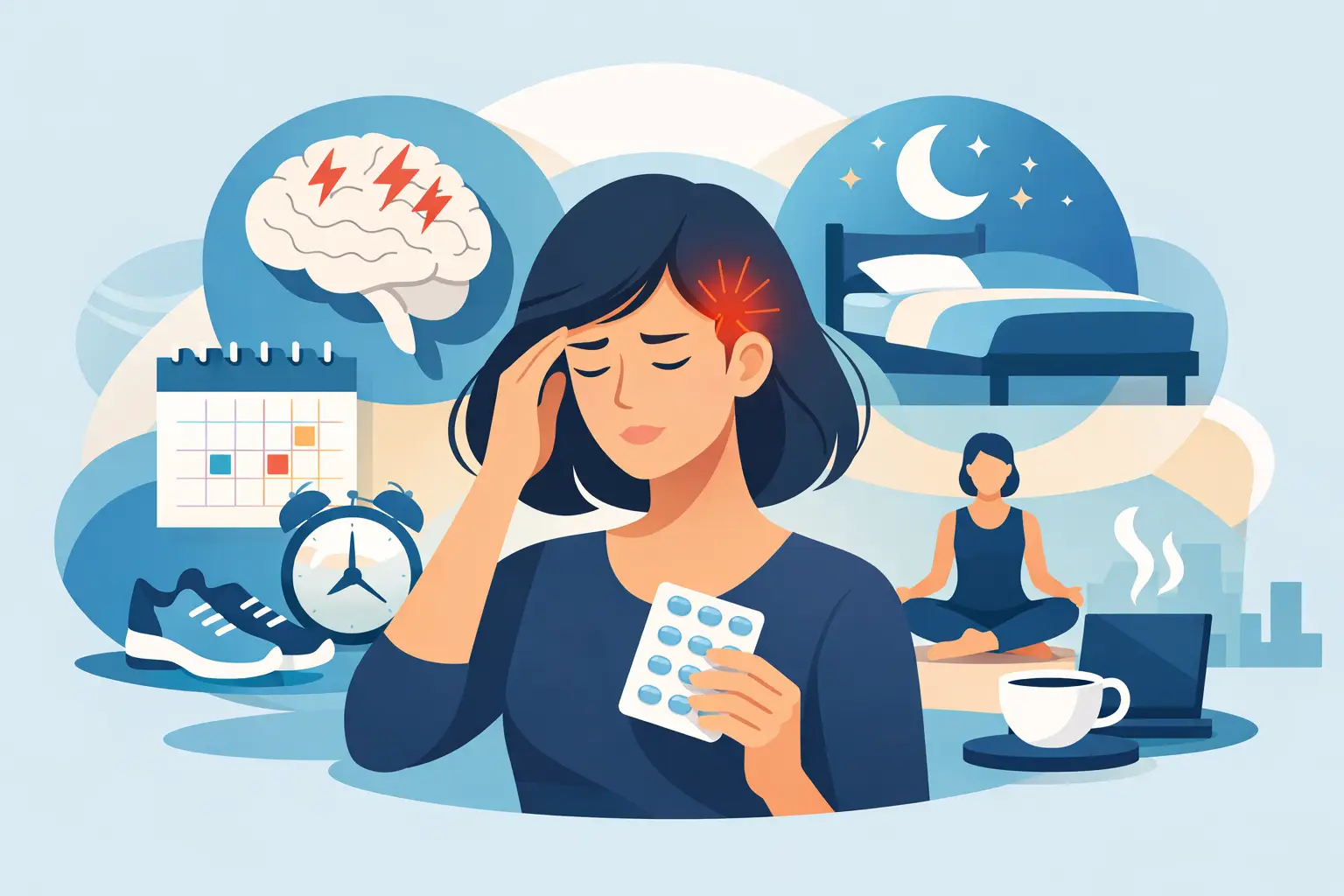
When headache days start deciding whether you can work, drive, exercise, sleep, or enjoy time with family, it is time for a more focused plan. Chronic headaches treatment is not about handing you one generic medication and hoping for the best. It starts by identifying the pattern behind your pain, ruling out urgent causes, and building a practical strategy that helps you regain more good days.
A chronic headache condition can feel isolating because the pain is invisible, yet its effects are not. Missed plans, reduced concentration, irritability, and constant worry about the next episode can wear down your quality of life. The right care should address both the pain itself and the disruption it creates in your daily routine.
When Headaches Become a Chronic Problem
Headaches are generally considered chronic when they occur 15 or more days each month for at least three months. Not every one of those days has to be severe. Some may feel like pressure, tightness, or a dull ache, while others may bring throbbing pain, nausea, light sensitivity, sound sensitivity, or visual changes.
The label matters because frequent headaches often need a different approach than occasional pain. Reaching for short-term relief too often can sometimes contribute to medication-overuse headaches, creating a frustrating cycle in which the treatment becomes part of the problem. A personalized evaluation can help separate occasional breakthrough symptoms from a pattern that requires preventive care.
Several conditions can cause recurring head pain. Migraine, tension-type headaches, cervicogenic headaches that begin in the neck, and nerve-related pain can overlap. Sleep disruption, stress, jaw clenching, dehydration, inconsistent meals, certain medications, and neck strain may all influence frequency or intensity. The goal is not to blame every headache on a single trigger. It is to identify the factors that are most relevant to you.
Chronic Headaches Treatment Starts With a Clear Diagnosis
A useful treatment plan begins with a detailed conversation. Your provider should ask when your headaches began, where the pain occurs, how long it lasts, what it feels like, what symptoms occur with it, and what treatments you have already tried. Your medical history, current medications, sleep quality, daily activity, and history of injury are also part of the picture.
A headache diary is one of the most practical tools you can bring to an appointment. For several weeks, track the day and time symptoms begin, the severity, what you ate or drank, your sleep, stress level, menstrual cycle if relevant, activity, and any medication you took. The diary does not need to be perfect. Even a simple record can reveal patterns that are easy to miss when you are living through pain day after day.
Your provider may recommend imaging, lab work, or referral for additional testing when your symptoms or exam suggest a secondary cause. Most headaches are not caused by a dangerous condition, but new or changing symptoms deserve attention.
Seek urgent medical care for a sudden, severe headache that peaks within seconds or minutes, especially if it is unlike your usual pain. Immediate evaluation is also needed for headache with confusion, fainting, seizure, weakness, numbness, trouble speaking, vision loss, fever with a stiff neck, head injury, or symptoms that begin during pregnancy or after delivery.
Treatment Should Match Your Headache Pattern
There is no single best chronic headaches treatment for every patient. The most effective plan depends on the diagnosis, the number of headache days you have, other health conditions, previous treatment response, and the demands of your life. A person with migraine twice a week may need a very different strategy than someone whose daily pain starts at the base of the skull after years of neck tension.
Acute Relief for the Right Moments
Acute treatments are designed for a headache that is already underway. Depending on your diagnosis, this may include prescription medication, anti-nausea medication, or carefully chosen over-the-counter options. The key is timing and frequency. Taking the right treatment early can improve the chance of relief, but frequent use of certain medications can increase headache frequency over time.
That trade-off is why a pain management provider should know exactly what you are taking, including nonprescription products. Your plan should clearly spell out what to use for a breakthrough headache and when to call because the pattern is changing.
Prevention That Reduces Headache Days
Preventive treatment aims to lower the number, severity, or duration of headaches before they start. Options may include prescription medications taken on a schedule, migraine-specific preventive therapies, injections for appropriate candidates, or other treatments selected based on your symptoms and health history.
Preventive care is not an overnight fix. Some therapies require several weeks to show their full benefit, and adjustments may be needed along the way. Progress is measured in meaningful ways: fewer headache days, less intense pain, reduced reliance on rescue medication, better sleep, and more ability to participate in normal life.
Addressing Neck, Muscle, and Nerve Contributors
For some patients, headache pain has a strong connection to the neck, upper back, shoulders, jaw, or irritated nerves around the head and neck. When an exam supports that connection, targeted pain-management options may be considered. These can include physical therapy recommendations, posture and movement strategies, trigger point treatment, or image-guided procedures designed to address a specific pain generator.
These treatments are not appropriate for every headache type, which is why diagnosis comes first. A targeted procedure can be valuable when it matches the source of pain. It is less helpful when used as a substitute for a complete evaluation.
Daily Habits That Support Medical Care
Lifestyle changes are often presented as if they should solve chronic pain on their own. For many people, that is unrealistic and discouraging. But daily routines can make medical treatment work better and reduce avoidable triggers.
Consistency is usually more helpful than perfection. Regular sleep and wake times, steady hydration, meals that are not routinely skipped, and gradual physical activity can stabilize common headache triggers. If caffeine affects your symptoms, the issue may be the amount or the inconsistency rather than caffeine alone. Abruptly cutting it out can also trigger headaches for some people.
Stress management matters, but it should not be framed as “your headaches are all stress.” Chronic pain is real, and stress can amplify the nervous system’s response to pain. Breathing exercises, counseling, relaxation training, gentle movement, and protected recovery time can be useful parts of a larger plan.
What Better Results Actually Look Like
Many patients wait for a complete cure before considering treatment successful. That standard can make real progress harder to see. If headaches drop from 20 days per month to eight, if attacks are shorter, or if you can treat a flare before it takes over the day, those are meaningful gains.
The most successful plans are reviewed and adjusted. You may need to change a preventive medication, reduce overused rescue medication with medical guidance, treat a neck-related contributor, or revisit triggers as your routine changes. Your care should evolve with your results rather than staying stuck on a plan that is not delivering enough relief.
When to Schedule a Headache Evaluation
Make an appointment if headaches are becoming more frequent, interfering with work or home life, waking you from sleep, changing in character, or requiring pain medication more often than recommended. You should also be evaluated if you have tried treatments without consistent relief or you are unsure whether your symptoms are migraine, neck-related pain, or another condition.
For patients in Tucson and nearby communities, Local Healthcare offers a patient-focused approach to pain management that begins with listening to the full story behind your symptoms. The aim is straightforward: identify what is driving your headache pattern and create a plan that is realistic for your body and your life.
You do not have to keep planning around the possibility of pain. A thoughtful evaluation can give you clearer answers, safer options, and a better path toward days that feel like your own again.