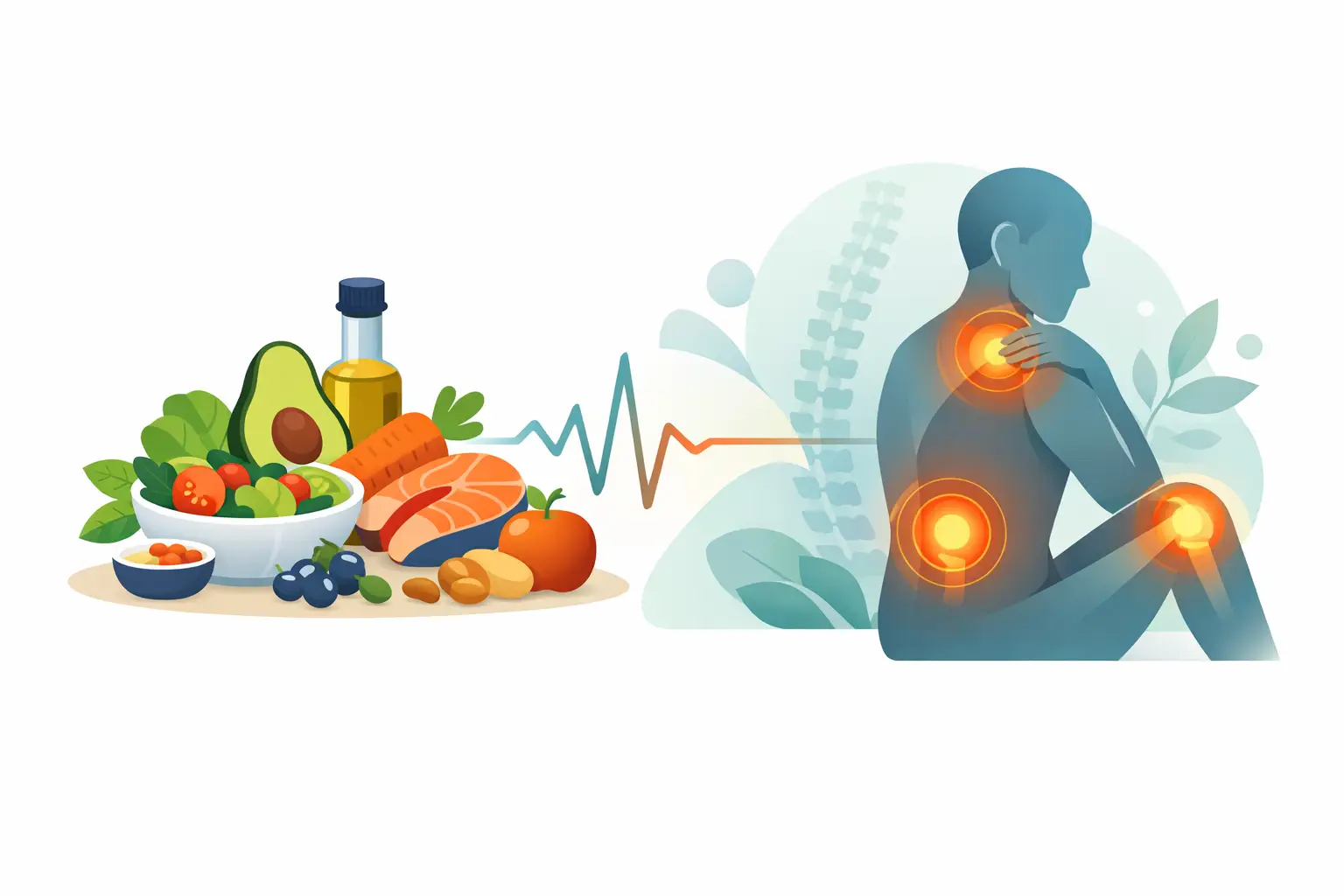
Pain changes the way people eat. When you are dealing with joint pain, back pain, headaches, or lingering muscle tension, convenience usually wins. That makes sense in the short term, but it also helps explain how nutrition supports pain relief in a very practical way. The food you eat can either add stress to an already inflamed system or give your body the raw materials it needs to calm irritation, repair tissue, and function better day to day.
At a pain-focused medical clinic, we see this all the time. Patients are often looking for one clear fix, but lasting improvement usually comes from a plan. Nutrition is not a substitute for medical care, imaging, procedures, or targeted treatment when those are needed. It is one of the most useful ways to support the work your body is already trying to do.
How nutrition supports pain relief in the body
Pain is not just about where it hurts. It is also about what is happening in the nervous system, immune system, muscles, joints, and connective tissue. Food influences all of those systems.
One of the biggest factors is inflammation. Some inflammation is part of normal healing, but chronic low-grade inflammation can keep pain going longer than it should. Highly processed foods, excess added sugar, and frequent swings in blood sugar can push the body in the wrong direction. On the other hand, meals built around protein, fiber, healthy fats, and nutrient-dense whole foods can help reduce that inflammatory burden.
Nutrition also affects recovery. Muscles, tendons, cartilage, and nerves all depend on a steady supply of vitamins, minerals, amino acids, and fats. If the body is running low on those inputs, healing can be slower and discomfort can feel more persistent. This does not mean there is one magic food for pain. It means your overall eating pattern matters more than most people realize.
Hydration belongs in this conversation too. People often overlook it, but mild dehydration can contribute to headaches, muscle cramping, fatigue, and poor physical performance. When the body is already dealing with pain, even a small problem like that can make symptoms feel bigger.
The foods that tend to help most
A pain-supportive diet is usually not extreme. In fact, the most effective approach is often the most sustainable one.
Protein is a good place to start. Your body uses protein to repair tissue and maintain muscle, which matters for anyone dealing with orthopedic pain, injury recovery, or age-related stiffness. Eggs, fish, chicken, Greek yogurt, beans, lentils, and lean cuts of meat can all help. If someone is skipping protein for most of the day and then overeating at night, energy and recovery often suffer.
Colorful produce matters because it brings antioxidants and plant compounds that help the body handle oxidative stress. Berries, leafy greens, citrus, tomatoes, bell peppers, and cruciferous vegetables all support overall tissue health. You do not need perfect variety at every meal, but you do want consistency.
Healthy fats are another major piece. Fatty fish, walnuts, chia seeds, flax, olive oil, and avocado can support a healthier inflammatory response. This is one reason patients with joint pain often feel better when they shift away from heavily fried foods and more heavily processed meals.
Whole-food carbohydrates help too, especially when paired with protein and fat. Oats, potatoes, fruit, beans, and brown rice provide fuel without the sharp spikes and crashes that can come with ultra-processed snacks and sugary drinks. Stable energy can make it easier to move more, sleep better, and stay consistent with treatment.
Then there are the nutrients that deserve special attention. Magnesium may support muscle relaxation and nerve function. Vitamin D plays a role in bone and immune health. Calcium supports bones and muscle function. B vitamins help with nerve health and energy production. Omega-3 fats can be useful for people with inflammatory pain patterns. The catch is that taking random supplements without a reason is not the same as building a smart plan. It depends on the person, their diet, their medications, and their medical history.
What can make pain worse
If you are trying to feel better, it helps to know what tends to work against you.
A steady diet of fast food, packaged snacks, sugary drinks, desserts, and refined carbs can leave the body in a more inflamed state. Alcohol can also complicate pain management for some people, especially if sleep is already poor or medications are involved. This does not mean you can never have these foods. It means frequency matters.
Some people also notice that specific foods seem to aggravate symptoms. That is real, but it is not universal. One person may feel worse after high-sodium restaurant meals because of fluid retention and stiffness. Another may notice headaches tied to alcohol or heavily processed foods. Someone else may have digestive issues that seem to increase overall inflammation and discomfort. This is why a personalized approach works better than broad internet rules.
Nutrition and common pain conditions
Different pain issues respond to nutrition in different ways.
For joint pain and arthritis, the focus is usually on lowering inflammatory load and supporting mobility. That often means prioritizing omega-3-rich foods, produce, adequate protein, and less processed food overall. Patients do not always wake up pain-free after a dietary change, but many report less stiffness and better daily function over time.
For muscle pain and recovery, under-fueling is a common problem. When people are not eating enough protein, fluids, or key minerals, soreness can linger longer and fatigue can build. Proper nutrition supports tissue repair and helps the body respond better to physical therapy, exercise, and rehabilitation.
For nerve-related pain, blood sugar stability can matter more than people expect. Big swings in blood sugar can affect energy, inflammation, and overall symptom control. Consistent meals with balanced macros often help patients feel more steady through the day.
For headaches and migraines, triggers vary. Some people are sensitive to dehydration, skipped meals, alcohol, or certain additives. Others are not. This is one of those situations where tracking symptoms is often more useful than guessing.
Why a personalized plan gets better results
Pain care works best when it is specific. Nutrition is no different.
A construction worker with chronic back pain, a retiree with arthritis, and an office professional with tension headaches should not all get the same advice. Activity level, age, medications, digestive health, sleep, and the type of pain all influence what makes sense. A plan also needs to be realistic. If a diet is too restrictive to follow for more than a week, it is not a good plan.
This is where medical guidance matters. Pain can have more than one cause, and not every symptom is nutrition-related. Food can support progress, but it should fit into a larger treatment strategy that may include diagnostics, medication management, regenerative options, physical medicine, or other outpatient services based on the patient.
At Local Healthcare, that patient-first mindset is central to how care should work. The goal is not to hand someone a generic food list and hope for the best. The goal is to look at the whole picture and help create measurable improvement.
Simple ways to start using nutrition for pain relief
You do not need a total overhaul on day one. Most people do better when they make a few high-value changes and stay with them.
Start by building meals around protein and produce. Add a source of healthy fat, and keep ultra-processed foods from becoming the default. Drink more water than you think you need, especially in Tucson’s heat. If you tend to skip breakfast and then crash later, work on meal timing. If headaches or flare-ups seem random, keep a short food and symptom log for two weeks and look for patterns.
It also helps to think in terms of replacement, not restriction. Swap soda for water or unsweetened tea. Choose a protein-rich lunch instead of chips and convenience snacks. Keep easy options at home so pain and fatigue do not push you toward the drive-thru every night. Small moves, repeated consistently, usually do more than short bursts of strict eating.
If you are already making healthy choices and still not seeing progress, that is important information too. Persistent pain deserves a closer look. Sometimes nutrition is one missing piece. Sometimes the pain source needs a more targeted medical evaluation.
Better pain relief often comes from stacking the right strategies together. When nutrition supports the rest of your care plan, your body has a better chance to recover, function, and keep moving in the right direction.